How to Choose the Right Towable Boom Lift for Your Needs?
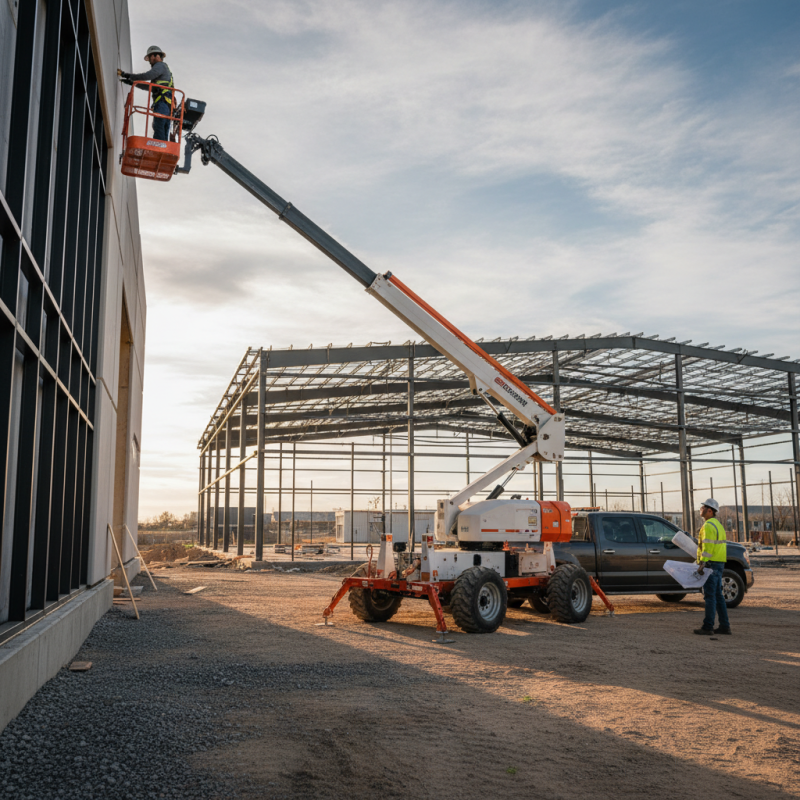
Choosing the right equipment can be daunting. A Towable Boom Lift is a versatile option for many projects. It can reach high places, making tasks easier and safer.
When selecting a Towable Boom Lift, consider your specific needs. What is the height you need? Assess the weight capacity required for your materials. Reflection on your project size is crucial.
Not all models fit every situation. Some are heavier and tougher to maneuver. Others may not provide enough reach or stability. Think carefully about your work environment and planned usage. A poor choice could lead to inefficiency or accidents. Take time to evaluate your choices.
Understanding the Basics of Towable Boom Lifts
Towable boom lifts are versatile machines designed for elevating workers and equipment. They are ideal for tasks that involve reaching high places. These lifts are compact and easy to transport, making them popular in construction and maintenance. According to industry reports, the global market for aerial work platforms, including towable boom lifts, is projected to surpass $11 billion by 2026. This growth reflects the increasing need for safe access solutions in various sectors.
Understanding the basics of towable boom lifts can help you make informed decisions. They typically feature an extendable arm, allowing for vertical and horizontal reach. Some models have working heights ranging from 30 to 50 feet, suitable for different tasks. However, the operational weight can vary, impacting transportation and setup. It's essential to consider both lift height and weight capacity based on your specific needs. An inappropriate choice can lead to inefficiencies or safety risks.
Safety should be a priority when using these lifts. Insufficient training or improper use can result in accidents. A statistic shows that around 30% of aerial lift accidents are due to operator error. Operators must be adequately trained to manage the lift and its controls. Regular inspections are also crucial. Skipping this step can lead to mechanical failures, posing serious risks. Balancing efficiency and safety is vital in the selection and use of towable boom lifts.
Assessing Your Project Requirements for a Boom Lift
Choosing the right towable boom lift requires careful assessment of your project needs. Consider the height and reach required for your project. Are you working on a construction site or a maintenance task? Knowing the specifics of your job impacts your decision.
Tips: Always measure the height of obstacles and determine how much extension you need. Keep in mind that terrain can affect stability and handling.
Evaluate the weight capacity as well. Different tasks require varying capacities. Identify any tools or materials you need to lift. Don’t overlook the importance of transportability. Can you easily move the boom lift to your project site? Ensure it fits in your transport arrangements.
Tips: Inspect the area before delivery to avoid last-minute surprises. Be mindful of potential overhead hazards. Testing the equipment can help identify any operational quirks.
Evaluating the Weight Capacity and Reach of Different Models
Choosing the right towable boom lift requires careful evaluation, especially regarding weight capacity and reach. Different projects demand specific lifting abilities. So, understanding these features becomes crucial.
For example, a lighter model might be suitable for indoor tasks with lower weight limits. However, larger projects often require more robust machines with higher capacities. It's important to consider the nature of your load. An excessively heavy extension could lead to safety risks. A thorough analysis of what you need can prevent costly mistakes.
Reach also plays a vital role in selection. Models vary significantly in how high they can extend. Higher reach lifts are essential for taller buildings, but may have weight restrictions. If your project involves narrow spaces, a more compact model could be necessary. Balancing reach and weight capacity is key to selecting the best fit. Understanding these types of parameters can enhance your operational safety and efficiency.
Comparing Key Features and Safety Standards in Towable Boom Lifts
When selecting a towable boom lift, safety features should be a primary focus. Check for ANSI and OSHA compliance. These standards ensure the equipment is safe for your team. Look for emergency lowering systems, which provide added security should something go wrong. The brakes and outriggers should also be durable and reliable, enhancing stability during operation.
Tips: Always inspect the lift before use. Check for any damage or wear. Ensure the safety harnesses are included. Conducting routine safety checks can prevent accidents.
Comparing boom lifts can be challenging. Pay attention to weight limits and reach heights. Some models may appear similar but vary in performance. Understand your project’s requirements. It’s crucial to match the lift's specifications with your needs. Explore customer feedback about usability and reliability.
Tips: Document your experiences when using a boom lift. Reflect on what works and what doesn’t. Learning from past rentals will guide future decisions. Making informed choices leads to better project outcomes.
Budgeting for Purchase and Maintenance Costs of Boom Lifts
Budgeting for a boom lift involves understanding both purchase and maintenance costs. Reliable industry reports suggest that the initial cost of a towable boom lift typically ranges from $20,000 to $50,000. However, hidden costs can quickly accrue. Insurance, training, and operational costs must be considered too.
Tip: Always account for ongoing maintenance, which can be up to 15% of the equipment's purchase price annually. Regular check-ups prevent larger repair costs later. For instance, failing to maintain hydraulic systems can lead to significant breakdowns, resulting in costly downtimes.
Moreover, when comparing lift costs, it's essential to factor in potential downtime and repairs. An average boom lift downtime can lead to losses estimated at $1,500 per day. Many businesses overlook this, thinking it’s just part of the game.
Tip: Create a realistic maintenance budget. This includes emergency repairs and unexpected downtime. Always leave room for contingencies. A thorough budgeting plan will ensure you're prepared for the unexpected.